
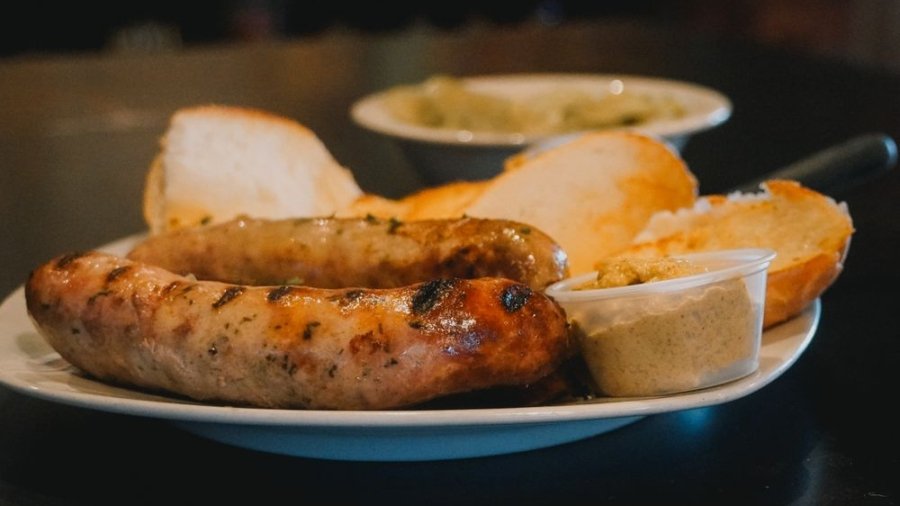
Shoppers across North Carolina started noticing empty shelves where Neese’s Country Sausage used to sit. No explanation. No restocking date. No word from the company. For a lot of people, it felt like a quiet goodbye to something that had been on their breakfast table for decades.
The real story is more complicated than a simple shutdown. What happened to Neese’s involves a USDA regulatory action, a production halt that never got reversed, and eventually a sale to new ownership. Here’s a clear breakdown of what actually occurred — and what it means for the brand going forward.
Neese’s Was a 100-Year-Old Family Business, Not Just a Regional Brand
J.T. Neese started selling sausage from a wagon in Greensboro, North Carolina in 1917. By 1933, the company had moved into a permanent facility. The business stayed in the family for generations — by recent years, the fourth generation of the Neese family was running operations.
The product line included sausage, livermush, liver pudding, scrapple, souse, and bacon. These aren’t niche items. They’re staples deeply tied to North Carolina’s pork and breakfast culture. The NC Pork Council described Neese’s as “an institution of the heart.”
That’s why the public reaction was so strong when products disappeared. This wasn’t just a brand — it was something people grew up with. That emotional connection explains why the story spread quickly and why so many customers went looking for answers.
A USDA Suspension in September 2025 Started the Chain of Events
In September 2025, USDA’s Food Safety and Inspection Service issued a Notice of Suspension for a specific portion of Neese’s Greensboro production facility. It’s important to be precise here: USDA did not shut down the entire company or the entire plant.
The suspension was tied to compliance failures under 9 C.F.R. § 430, the federal regulation governing controls for Listeria monocytogenes in ready-to-eat meat products. A USDA letter cited a positive listeria test as part of the basis for the action.
For ready-to-eat meat products, listeria standards are especially strict. Unlike raw meat that gets cooked before eating, ready-to-eat products go directly to consumers. There’s no cooking step to kill any bacteria. That’s why the USDA treats a positive test in this category with little tolerance.
The suspension required Neese’s to correct the problems in the affected area before production there could legally resume. That correction never came.
Why Production Never Fully Resumed After the Suspension
Here’s the part most people don’t understand. After a USDA suspension, the company must formally request that FSIS inspectors return before production in the affected area can restart. According to reporting from WRAL and FOX8/WGHP, Neese’s never made that request.
By spring 2026, production had fully stopped — not because USDA issued a second order forcing a total shutdown, but because the company never took the steps needed to get back online. The suspension, combined with inaction, effectively ended operations.
The signs became visible quickly. Retailers and restaurants reported that deliveries had stopped and that they couldn’t source Neese’s products anymore. The company’s website returned a 404 error. The Charlotte facility on North Davidson Street appeared on Google as permanently closed. Calls to both the Greensboro and Charlotte locations went unanswered.
It’s worth understanding why a family-run operation might reach this point. Meeting modern listeria compliance requirements — especially for an older facility — can mean expensive equipment upgrades, redesigned plant layouts, and new environmental testing protocols. For a business running on thin margins with aging infrastructure, the cost and complexity of a full remediation can be more than the operation can realistically absorb.
That doesn’t mean the decision was easy or simple. But it does explain why production never restarted. The financial and regulatory math likely didn’t work in the company’s favor.
The Brand Was Sold — It Did Not Simply Shut Down
This is the most important correction to the story as most people have heard it. Neese’s Country Sausage was not abandoned. In 2026, the brand was sold and reorganized under a new corporate entity called NCS Enterprises, Inc., ending nearly 80 years of direct Neese family ownership.
The buyer was Jesse Jones, a Raleigh-based company owned by the White family. A press release confirmed that Jesse Jones would take over stewardship of the Neese’s Country Sausage brand, and that products would return to store shelves and restaurant kitchens after months of limited availability.
Think of it like a beloved local bakery that closes its original shop but sells its recipes and brand to a larger company. The original shop is gone. But the brand — the name, the products, the identity — continues under new management at a different location.
That’s essentially what happened here. The Greensboro facility is no longer producing Neese’s products. A spokesperson for Jesse Jones confirmed that production has moved to a more modern facility. The location of that facility has not been publicly disclosed.
What the Sale Means for the Brand Going Forward
The Neese’s name is surviving. But some things have genuinely changed, and it’s fair to be honest about that.
- The Greensboro facility is closed. Production ended there around the time deliveries stopped in May 2026, and it did not meet the new owner’s criteria for resuming operations.
- The Neese family is no longer running the company. After nearly a century, ownership has passed to the White family through Jesse Jones.
- Production has moved. The new facility is described only as “more modern.” Whether that changes the taste or formulation of products is not something sources have confirmed — that remains an open question for customers.
- Products are expected to return. Jesse Jones and NCS Enterprises announced that Neese’s items would return to store shelves and restaurants. Mid-2026 reporting suggested that reintroduction was actively being prepared.
For customers, this raises reasonable questions. Will it taste the same? Is it still made in North Carolina? What happens to the people who worked at the Greensboro plant? Those are fair concerns, and most of them don’t have fully public answers yet.
What Businesses Can Take Away From This Story
Neese’s isn’t just a food story. It’s a business story that plays out more often than people realize, especially in manufacturing and food production.
A century-old operation can carry tremendous brand value while running on facilities that no longer meet current regulatory standards. When a compliance event hits — especially in a strict category like ready-to-eat meats — the cost of remediation can outpace what the business can realistically fund.
At that point, ownership has limited options: invest heavily in facility upgrades, pause and hope the situation stabilizes, or sell. Neese’s followed a path that ended in a sale, which preserved the brand even as the original operation wound down.
For business owners in food, manufacturing, or any regulated industry, Neese’s is a useful case study in what happens when regulatory compliance and capital investment fall out of sync. It’s not a story of mismanagement or scandal — it’s a story of a business hitting a wall that older, smaller operations frequently face when modern standards collide with legacy infrastructure.
If you follow business cases like this one, Urban Biz Mag covers brand transitions, regulatory impacts, and what they mean for entrepreneurs and business owners in practical terms.
The Short Answer to the Question Everyone Is Asking
Neese’s Sausage as a family-owned Greensboro operation is effectively over. The original facilities have stopped production, the fourth generation of Neeses is no longer running the company, and the historic plant is not coming back online.
But the brand itself is not dead. Jesse Jones and NCS Enterprises acquired it, production has moved to a newer facility, and the company has publicly committed to returning Neese’s products to shelves. Whether that version of the product earns the same loyalty from longtime customers is something only time will settle.
For now, the honest answer is this: the company that made Neese’s for 100 years is gone. The name and the products are being carried forward by someone else. That’s a real loss for Greensboro and for the family that built it — even if it’s not the end of the label itself.
Read Also: